Born in the Alps, Claimed by the Slopes: The Unlikely American Love Story of Dynastar

There's a certain kind of skier who finds Dynastar the same way people find their favorite hole-in-the-wall restaurant — not through a billboard, not through an influencer post, but through a friend who leaned over at the lodge and said, trust me on this one. That quiet word-of-mouth pipeline has been the brand's unofficial marketing department in the US for decades. And honestly? It's worked better than most nine-figure ad campaigns ever could.
To understand why, you have to go back to the beginning — to the mountains of Sallanches, France, where Dynastar was born in 1963. Not born inside some corporate campus with a brand strategy deck and a global rollout plan. Born in the way ski companies used to be born: from people who actually skied, who obsessed over materials and flex patterns, who believed that the right ski could change the way a person experienced a mountain.
A Family Foundation, Not a Corporate Formula
The early Dynastar story is inseparable from the culture of the French Alps in the postwar era — a time when skiing was exploding as both a competitive sport and a recreational escape, and when the Savoie region of France was quietly becoming the manufacturing heart of the ski world. The founders weren't distant executives. They were embedded in the skiing community, talking to racers, watching how equipment failed under real conditions, and building solutions that came from genuine observation rather than market research.
That founder-level obsession with craft left a fingerprint on the company's DNA that never fully washed out. Even as Dynastar grew, changed hands, and eventually became part of the Rossignol Group, the product philosophy stayed rooted in something that felt more artisanal than industrial. Skiers who've ridden Dynastar for years often describe the brand's equipment as feeling considered — like someone actually thought hard about what this ski needed to do before they pressed it.
For American riders who grew up in a ski culture saturated with aggressive marketing and hype cycles, that quiet confidence was — and still is — genuinely refreshing.
How a European Brand Built an American Cult
Dynastar never tried to conquer the US market through volume. It didn't flood rental fleets or sponsor every weekend warrior race series from Vermont to Colorado. Instead, it built its American reputation the hard way — through performance at the highest level.
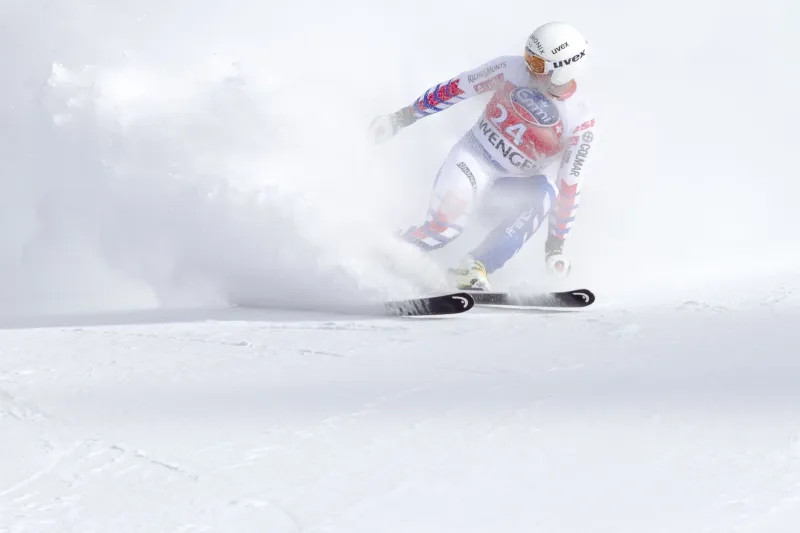
The brand's racing pedigree opened doors that advertising couldn't. When Dynastar-equipped athletes started showing up on World Cup podiums and Olympic courses, serious US skiers took notice. This wasn't a lifestyle brand playing dress-up in racing colors. These were skis that were actually winning. In a sport where equipment credibility is everything, that distinction matters enormously.
But the cult following that developed in the US wasn't built entirely on elite racing results. It grew in the spaces between — in the ski shops where a knowledgeable tech would quietly recommend a Dynastar model to a customer who'd already tried everything else. In the online forums where intermediate skiers who'd accidentally demoed a pair came back stunned by how different the experience felt. In the lift lines at places like Jackson Hole, Mammoth, and Stowe, where riders who'd done their homework showed up with Dynastar setups and could tell you exactly why.
That self-selection process created something you can't manufacture: a community of riders who feel like they've discovered something real.
The Philosophy That Keeps Drawing People Back
Ask a devoted Dynastar rider what keeps them coming back, and you'll hear variations on the same theme. It's not about status. It's not about matching the guy in the terrain park with the loudest graphics. It's about a relationship between the skier and the mountain that feels more direct, more honest, more dialed than what they were riding before.
That tracks with how the brand has historically approached design. Dynastar's engineering teams have consistently prioritized what happens underfoot over what photographs well in a catalog. The Legend series built a reputation for big-mountain performance that didn't require a professional skill set to access. The Speed and Course lines carried decades of racing knowledge into skis that everyday riders could actually benefit from. Even the brand's approach to women's ski design — which it took seriously long before the industry made it a talking point — reflected a willingness to build for real skiers rather than demographic checkboxes.
None of this happened because Dynastar had a bigger budget or a smarter PR firm. It happened because the product kept delivering, and the people who experienced that delivery told someone else.
What the Brand Means in 2025
The ski industry has changed dramatically since those early days in Sallanches. Consolidation, direct-to-consumer disruption, and the relentless social media hype machine have reshaped how brands connect with riders. Dynastar has navigated all of it without losing the core identity that made it special in the first place.
For the My Dynastar community — the people who ride these skis, collect them, research them, and debate them with the kind of enthusiasm most people reserve for sports franchises — that continuity is the whole point. This isn't a brand that reinvents its personality every season based on what's trending. It's a brand that knows what it is, keeps doing it well, and trusts that the right riders will find their way to it.
And they keep doing exactly that. Every season, somewhere on an American mountain, a skier steps off a chairlift, drops into a line on a pair of Dynastars they weren't sure about six months ago, and has the kind of run that makes everything click. They don't immediately reach for their phone to post about it. They just ski it again.
That's the Dynastar story in America. Quiet, earned, and completely genuine. Exactly the way the best mountain experiences always are.