Why Dynastar Fans Act Like They're In On a Secret Nobody Else Knows
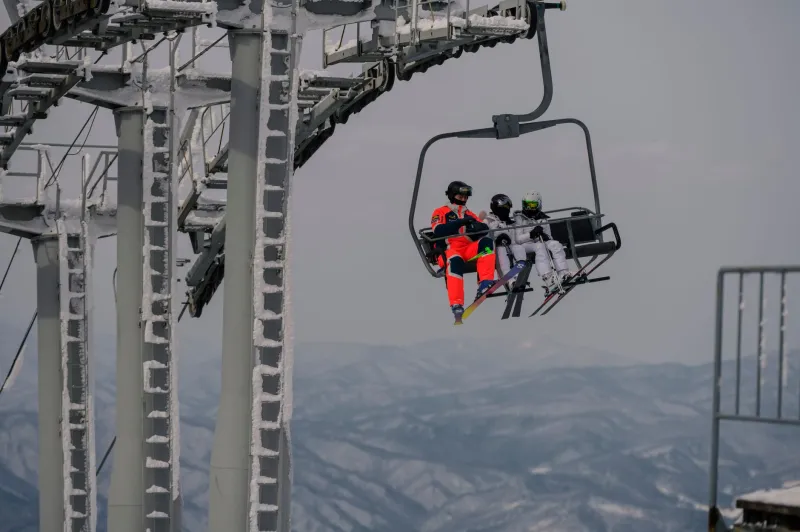
Spend enough time at any major American ski resort — Vail, Jackson Hole, Stowe, take your pick — and you'll eventually notice something odd. Two strangers on a chairlift, total silence for the first thirty seconds, and then one of them clocks the other's skis. A flicker of recognition. A nod. Sometimes a full-blown conversation that lasts all the way to the top and spills into the next run.
What just happened? Chances are, both of them are riding Dynastars.
This isn't a coincidence, and it's not something the brand manufactured with a clever loyalty program or a splashy influencer campaign. It's something weirder and more interesting than that. Dynastar has, almost accidentally, built one of skiing's most devoted cult followings — and the people inside it will absolutely tell you about it if you give them half a chance.
The Anti-Hype Paradox
Here's the thing about cult brands: the ones that last usually didn't set out to become cults. Think about it across any category — certain truck models, guitar makers, obscure coffee roasters. The pattern repeats. Authenticity can't be reverse-engineered, and consumers — especially passionate ones — have remarkably sensitive radar for when a brand is performing authenticity versus actually living it.
Dynastar's story is rooted in the French Alps, in decades of racing heritage, in a design philosophy that prioritizes how a ski actually performs over how it photographs at a tradeshow. That's not a marketing line. It's just what the company has consistently done. And somewhere along the way, a certain kind of American skier — the one who reads every gear review, who talks to the ski shop tech like an old friend, who maybe mounts their own bindings — noticed.
Once that skier tells two friends, and those two friends each tell two more, you've got something no ad budget can replicate.
What the Community Says
Talk to long-time Dynastar riders and a few themes come up over and over. The first is performance that doesn't require explanation. "I don't have to convince people the skis are good," one mid-forties skier from Colorado told us. "They ski a run on them and figure it out themselves. That's what I like about it — I'm not selling anything. The skis do that."
The second theme is a quiet pride in being slightly off the mainstream. There's a segment of the skiing population that genuinely enjoys not riding what everyone else is riding. Not because they're contrarians, but because they came to Dynastar through research and experience rather than through a Super Bowl ad or a celebrity endorsement. That origin story matters to them. It feels earned.
"I tried like four other brands before I landed on Dynastar," said a skier from Vermont who's been on the same model for three seasons. "It wasn't like I was looking for Dynastar specifically. But once I found it, I stopped looking. And now when I see someone else on them, I just assume they went through the same process."
That assumption — that other Dynastar riders are fellow researchers, fellow obsessives — is the engine of the whole thing.
The Psychology of the Insider Brand
Brand psychologists have a term for what's happening here: in-group identity formation. When a product becomes associated with a particular type of person rather than a demographic, something powerful kicks in. You're not just buying a ski. You're signaling something about how you approach skiing — the care you put into your decisions, the value you place on heritage and performance over trend cycles.
The interesting wrinkle with Dynastar is that the brand hasn't aggressively cultivated this identity. There's no "Dynastar Nation" hashtag campaign, no ambassador army posting coordinated content every November. The community formed organically, which makes it stickier. People aren't loyal because they were recruited. They're loyal because they found something and decided to stay.
That's a fundamentally different relationship than the one most brands are trying to manufacture, and it's a lot harder to poach.
The Chairlift Evangelist
Every brand community has its evangelists, but Dynastar's feel particularly earnest. They're not trying to convert you in some abstract way — they just genuinely think you'd ski better on these things and want you to know about it. It's the same energy as someone recommending a great local restaurant. No agenda, just enthusiasm.
This plays out constantly on the mountain. Someone asks what you're riding, you say Dynastar, and suddenly you're fifteen minutes deep into a conversation about edge angles and turn radius while the lift creeps toward the top. It happens at après too. In the parking lot. On ski forums. In Facebook groups that somehow still have active membership.
The community has even developed its own informal knowledge base — tips on which models suit which skiing styles, when to buy in the off-season, how to read the year-over-year changes in a lineup. It's the kind of institutional knowledge that usually lives inside a brand's marketing department, except here it lives with the riders themselves.
What Other Brands Can't Copy
Here's the uncomfortable truth for the competition: you can't buy what Dynastar has. You can spend more on sponsored athletes, shoot better content, flood retail channels with aggressive promotions. None of that creates the specific feeling of being in on something.
The brands that try to manufacture cult status usually end up with the opposite — a kind of hollow enthusiasm that fades the moment the marketing budget shifts. Real communities are built on shared experience and genuine product merit, and they take years to develop. Dynastar's been earning that trust since before most of today's skiers were born.
That's not a marketing strategy. That's just time, consistency, and making good skis.
The Long Game
For the riders who are already part of this thing — the ones who nod at each other on the chairlift, who answer strangers' questions about their setup without hesitation, who've been on Dynastar for five or ten or twenty years — none of this is particularly surprising. They know what they have.
For everyone else, the door is open. Nobody's going to make you apply or prove yourself. You just have to ski on a pair, decide they're right for you, and show up. The community will handle the rest.
That's always been the whole deal. Dynastar didn't build a cult following by trying to build a cult following. They just made skis that serious skiers kept choosing — and serious skiers, it turns out, like to talk about their gear.
Some things don't need a strategy. They just need to be real.