One Quiver or Four? Matching Your Dynastar Setup to Every Mountain You'll Ever Ski
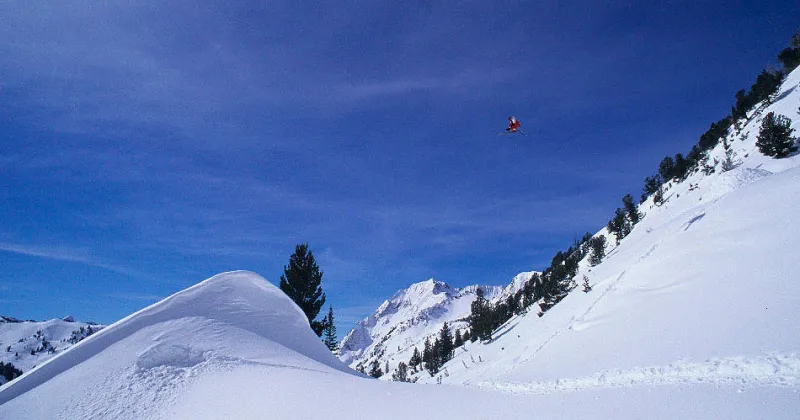
Photo: BigSkyLiberaltarian, CC BY-SA 4.0, via Wikimedia Commons
Let's be honest: the phrase "quiver killer" is mostly wishful thinking. A single ski that does everything perfectly doesn't exist — and once you accept that, building a smart, terrain-specific setup becomes genuinely fun rather than overwhelming. The good news for anyone deep in the Dynastar ecosystem is that the brand's lineup covers an unusually wide range of conditions, from East Coast hardpack to Cascade concrete to Rocky Mountain champagne powder.
This guide breaks down the real-world terrain scenarios most US skiers actually encounter and maps them to the Dynastar models that make the most sense. We're not here to sell you four pairs at once. We're here to help you buy smart — one ski, or two, or yes, maybe four — based on where and how you actually ride.
Groomed Runs and Hardpack: Where Precision Pays Off
If your home mountain is somewhere in the Northeast — think Stowe, Sunday River, or Killington — you already know that groomed hardpack isn't just a baseline condition, it's often the condition. Cold temperatures, man-made snow, and ice patches demand a ski that holds an edge without chattering you off the mountain.
For this terrain, Dynastar's Speed series is the obvious entry point. These carving-oriented skis are built with a tighter sidecut radius and a stiffer flex pattern that rewards committed angulation. Riders who've tested them on Vermont hardpack consistently describe the same thing: the ski locks into a turn and doesn't let go. That's not marketing copy — that's geometry doing its job.
Tip from the community: if you're sizing up for hardpack-heavy conditions, go slightly shorter than you might on a freeride ski. A more aggressive, shorter setup lets you initiate turns faster on groomed pitches without sacrificing control.
Moguls and Steep Terrain: Agility Over Everything
Mogul skiing is its own discipline, and it rewards skis that pivot quickly and absorb shock rather than transmit it straight into your knees. Here, a softer flex underfoot and a more tapered tip geometry make a noticeable difference.
Dynastar's Legend series has long been a favorite for versatile all-mountain skiers who spend meaningful time in bumps. The moderate waist width — typically in the 80–88mm range — gives you enough float to handle variable snow while staying quick enough to thread mogul lines. Riders from the Rockies who split their days between groomed runs and natural bumps tend to gravitate toward this range.
One Dynastar community member from Colorado put it plainly: "I skied stiffer boards for years thinking I needed more control in bumps. The Legend changed my thinking. The ski does the absorption work so my legs don't have to."
If you're a dedicated bump skier looking to compete or train, pairing a mogul-specific setup with a Dynastar carver for groomed days is a genuinely smart two-ski quiver.
Off-Piste Powder: Width, Rocker, and the Right Mindset
Powder skiing is where a lot of US skiers discover that their all-mountain setup is holding them back. If you've ever felt like you're swimming rather than floating in fresh snow, your ski's width and rocker profile are likely the culprits.
For off-piste days — whether that's inbounds powder stashes at Alta or sidecountry laps outside of Bozeman — you want something in the 105–115mm waist range with meaningful early-rise rocker in the tip (and ideally a touch of tail rocker too). Dynastar's M-Free and broader M-Pro lines occupy this space well. They're designed to be surfy and playful in deep snow without becoming unwieldy on the traverse back to the lift.
The key insight here: don't wait until you're planning a dedicated powder trip to invest in this category. If your home mountain gets even 10–15 powder days a season, a dedicated wide ski will transform those days from survival mode into something you look forward to all week.
Variable Spring Snow: The Overlooked Challenge
April and May skiing gets undersold. Yes, the snow is often heavy, wet, and unpredictable — but the long days, warm sunshine, and emptier slopes make spring one of the most enjoyable times to be on the mountain. The problem is that most skiers try to ride spring conditions on their mid-winter setup, which is a recipe for fatigue.
Spring snow — that classic cycle of firm morning crust transitioning into soft, heavy afternoon slush — benefits from a ski with a slightly softer flex and a rocker profile that helps the tip rise through heavy snow rather than diving into it. Dynastar's mid-fat all-mountain options (think 88–98mm underfoot) hit this sweet spot. They're wide enough to float through afternoon mush but structured enough to handle the icy morning groomers before the sun does its work.
Pro tip: if you're skiing primarily in the Sierra Nevada or Pacific Northwest where spring conditions arrive early and stay long, consider sizing this category of ski as your primary daily driver rather than a seasonal afterthought.
Building Your Personal Quiver: A Practical Framework
Here's a simple framework for thinking about which Dynastar setup (or setups) actually makes sense for your skiing life:
One-ski quiver: If you ski 10–20 days per season at a single resort with mixed conditions, a mid-fat all-mountain ski in the 88–95mm range is your answer. Dynastar's Legend series hits this target reliably.
Two-ski quiver: If you ski 20+ days and your mountain sees genuine powder cycles, add a dedicated wide ski (105mm+) to your carving setup. Your groomer ski stays precise; your powder ski stays fun.
Three-ski quiver: Add a dedicated hardpack/race-inspired ski if you're spending real time in the East or on early-season groomed terrain. This is where the Speed series earns its place.
Four-ski quiver: At this point, you're a committed skier with specific goals. A dedicated mogul or park ski rounds out a full-season setup. Own it.
The Bottom Line
There's no wrong answer here — only honest answers. The best Dynastar setup is the one that matches your actual mountain life, not your aspirational one. Spend some time thinking about where you ski most, what conditions you encounter regularly, and what kind of skiing makes you feel most alive on the hill. Then build from there.
We're always talking gear in the My Dynastar community. Drop your home mountain and your current setup in the comments — we'll help you figure out what's next.