Garage Gold: Why the Skis Your Parents Left Behind Might Be the Best Pair You'll Ever Own
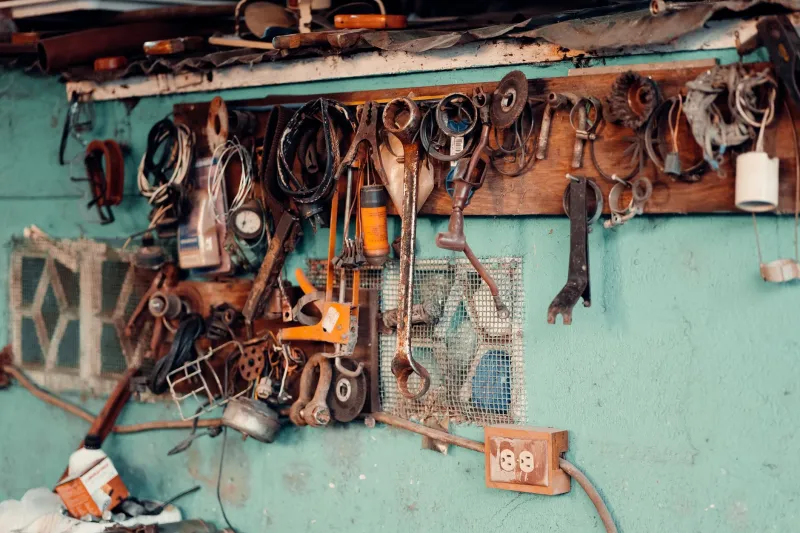
It starts the same way for almost everyone. You're home for the holidays, poking around in your parents' garage, and there they are — a pair of Dynastars hanging on the wall like they've been patiently waiting for someone to notice them again. Maybe they belonged to your mom, who skied Vail every February through the '80s. Maybe your grandfather picked them up after a season racing gates in Vermont. Either way, they look old. They look dusty. And then you take them out, get them tuned, and everything you thought you knew about ski gear gets quietly rearranged.
This is happening more than you'd think. Across ski towns and suburbs from Colorado to New England, a quiet movement of multi-generational skiers is rediscovering vintage Dynastar equipment — and more than a few of them are choosing those inherited pairs over anything sitting on a shop floor today.
What Makes Old Dynastars So Hard to Walk Away From
Here's the thing about how Dynastar built skis in the '70s, '80s, and into the '90s: they weren't optimizing for a price point. The brand had a deeply French engineering philosophy that prioritized construction integrity and edge hold above almost everything else. Wood cores were sourced and laminated with serious care. Fiberglass layups were done by hand in ways that modern mass production timelines simply don't allow for. The skis were heavy by today's standards, yes — but that weight came from material density that translated directly into dampness underfoot and edge contact that felt almost mechanical in its precision.
Talk to anyone who's put in real miles on a well-preserved pair of vintage Dynastars and you'll hear the same words come up: planted, confident, alive. These aren't adjectives people usually reach for when describing equipment that's pushing 40 years old.
Matt Ellison, a ski patroller in Park City who inherited a pair of his father's late-'80s Dynastar Course GS skis, put it plainly: "I took them out mostly as a joke. Figured I'd do one run and hang them back up. I ended up skiing them for three days straight. They just work. There's no flex pattern weirdness, no chatter on hardpack — they just hold the line."
The Emotional Layer You Can't Ignore
Let's be honest: performance alone doesn't fully explain why people keep coming back to inherited gear. There's something else going on, and it's worth naming directly.
When you're on your grandmother's Dynastars, you're not just skiing — you're skiing with someone. Every run carries a kind of invisible company. That's not a small thing. Skiing is already one of the most emotionally loaded sports there is, tied to family trips and early mornings and the specific smell of a cold chairlift grip. Pulling on a pair of boots and clicking into bindings that someone you love stood in before you adds a dimension that no amount of carbon fiber or rocker profile can manufacture.
For Priya Chandrasekaran, a recreational skier from the Boston area, her mother's mid-'90s Dynastar Vertical Bears became a ritual object after her mom passed away. "I had them retuned and mounted with new bindings, and I ski them a few times every season. They're not my everyday ski — I have modern stuff for that — but they connect me to something I can't replace. And honestly? They're still really good skis. That part surprised me."
This is the dual reality of the inherited Dynastar: emotional weight and actual performance weight, stacked on top of each other.
What to Check Before You Ski What You Find
Not every garage discovery is a hidden gem. Some vintage skis have been stored badly, developed edge rust that goes too deep to grind out, or have delamination issues that make them genuinely unsafe. Before you get romantic about a found pair, here's what to actually look at:
Core integrity — Press along the length of the ski. Any soft spots or hollow sounds when you knock on the topsheet are red flags for internal delamination.
Edge condition — Surface rust is almost always fixable with a good tune. Rust that's pitted the edge metal or caused significant corrosion at the binding inserts is a harder problem.
Binding compatibility — Vintage bindings may not meet current safety standards and might not be certifiable by a shop. Budget for a modern binding remount if you want to ski them regularly.
Base condition — Deep gouges can be filled, but a base that's been ground down to near nothing over decades of tunes has limited life left in it.
If the ski passes those checks, take it to a reputable shop — ideally one with staff old enough to remember the era the ski came from. A full tune, edge sharpen, and wax job can bring a well-stored vintage Dynastar back to genuinely impressive form.
Why the Market Isn't Going to Tell You This
Here's the awkward truth: the ski industry runs on new product cycles. Every fall, brands — including Dynastar — roll out updated models with fresh graphics and incremental tech improvements, and shops need to move that inventory. Nobody in the retail chain has a financial incentive to tell you that your dad's old race skis might outperform the mid-range carver you're about to spend $700 on.
But the skiers who've actually made the comparison often tell a different story. Older Dynastar race-lineage skis, in particular, were built to a standard that today's equivalent price points don't always match. The performance gap between a vintage Dynastar and a modern mid-tier ski can genuinely favor the old one — especially on groomed hardpack where edge quality and torsional stiffness matter most.
That's not an argument against buying new. Modern skis have real advantages: lighter weight, better rocker for variable conditions, wider waists for powder days, and binding systems that have evolved significantly in terms of safety. But if you're primarily a groomed-run skier who values precise carving over versatility, the vintage Dynastar in the garage might genuinely be the better tool.
Keeping the Legacy Going
If you've found a pair worth skiing, treat them accordingly. Get them tuned at least once a season. Store them properly — cool, dry, out of direct sunlight, with a light coat of wax on the base before they go away for summer. Don't let them sit in a hot car trunk or lean against a radiator.
And if you're not sure they're safe to ski, don't guess. Have a qualified technician look at the bindings and make the call. Sentimentality is real, but it doesn't override physics.
The best outcome here isn't just that you get a great ski out of the deal. It's that you carry something forward — a piece of equipment that someone in your family chose carefully, used well, and left behind in good enough shape to keep going. In a sport that can feel increasingly disposable and trend-driven, that kind of continuity means something.
Your Dynastar inheritance might just be the best gear decision you never had to make.