Off the Clock and Off the Sponsor Sheet: What Competitive Skiers Actually Ride When Nobody's Watching
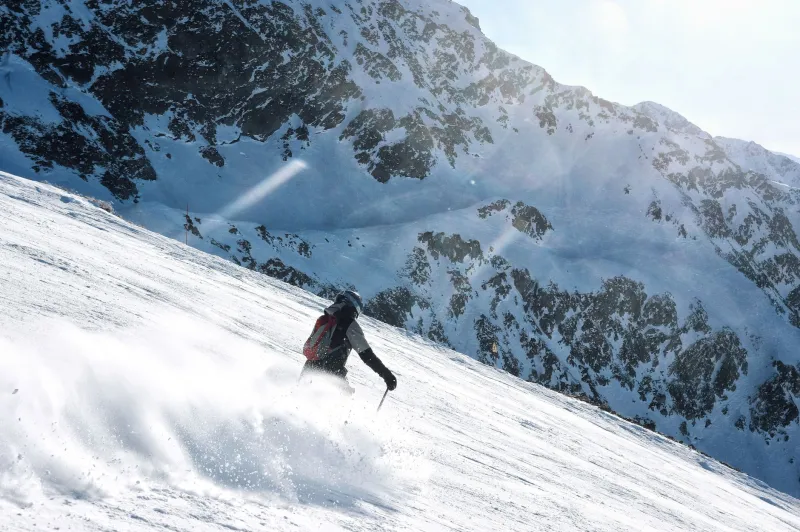
There's a version of skiing you see in the ads — perfect light, perfectly groomed hero shots, athletes grinning in branded gear from head to boot. And then there's the other version: pre-dawn skin tracks, technical couloirs, back-to-back race training days where the wrong equipment doesn't just cost you a podium spot, it costs you your knees.
Those two versions of skiing don't always use the same gear.
The dirty little secret inside competitive skiing and professional mountain guiding is that what an athlete wears in front of a camera and what they reach for when it genuinely matters can be two very different things. We spent time talking to competitive skiers, IFMGA-certified guides, and freeskiers about their real-world gear habits — and Dynastar kept coming up in ways that had nothing to do with marketing budgets.
The Gap Between the Podium and the Parking Lot
Sponsorship in skiing works differently than most sports fans assume. A lot of competitive skiers — especially in freeride circuits and alpine disciplines — operate on tiered agreements. They're required to race or appear in certain gear, but outside of official competition windows, their choices get a lot more flexible. That's when things get interesting.
"When I'm training on technical terrain and I'm not under any obligation, I want something that gives me honest feedback," said one competitive freeskier who competes on the Freeride World Tour. "I've gone back to the M-Free line more than once because the ski doesn't lie to me. It tells me exactly where I'm at on the mountain."
That kind of honest feedback loop — where a ski responds accurately to your inputs without masking errors — is something that comes up constantly in conversations with high-level skiers. It's not about the flashiest tech spec on paper. It's about trust.
What Makes a Ski a "Real" Tool
Professional mountain guides in particular tend to be brutally pragmatic about gear. They're not chasing podiums or Instagram moments. They're managing risk across variable snow conditions, often with clients who depend on their judgment for everything — including equipment recommendations.
Several guides operating in the Wasatch Range and the Cascades mentioned the Dynastar M-Pro series when asked what they personally reach for on demanding days. The recurring theme wasn't marketing language — it was specifics. Edge hold on hardpack transitions. Predictable behavior in variable snow. A swing weight that doesn't punish you after hour six of a big day in the backcountry.
"I've tried a lot of skis over the years," one AMGA-certified ski guide based in Utah told us. "What keeps me coming back to certain Dynastar models is that they don't have weird surprises. In guiding, weird surprises are not your friend."
That might sound like a low bar, but in the context of professional mountain travel, consistency is everything. A ski that performs well in controlled conditions but gets squirrelly in breakable crust or wind-buffed alpine terrain is a liability, not an asset.
The M-Free and Speed Series: The Ones That Keep Showing Up
If you track the off-the-record conversations across racing, freeskiing, and guiding communities, two lines from Dynastar come up more than you'd expect: the M-Free series and the Speed line.
The M-Free models have built a quiet reputation among athletes who need a ski that can handle both technical descent work and longer approach terrain without forcing a compromise. It's not the loudest ski in the lineup, and Dynastar doesn't market it as a race weapon — but it keeps appearing in quivers where performance, not optics, is the deciding factor.
The Speed series, meanwhile, gets mentioned by racers who train on it specifically because of its edge responsiveness. One athlete who competes in regional alpine events described it as "the ski that taught me where I was actually making mistakes" — which is a backhanded compliment, but also exactly what serious skiers want from training equipment.
Why This Matters to Regular Skiers
Here's the thing: most of us aren't competing on the Freeride World Tour or guiding clients through the Tetons. But the logic that drives professional athletes toward certain gear is exactly the logic that should drive your buying decisions too.
When a guide who skis 100-plus days a year in genuinely demanding conditions keeps reaching for the same ski, that's not a coincidence. It's a data point. When a competitive athlete voluntarily trains on a ski that isn't part of their sponsor obligation, that's a signal worth paying attention to.
The endorsement deal tells you what a brand paid for. The off-the-clock quiver tells you what actually works.
The Hype Cycle vs. The Hill
Ski marketing is good at creating urgency. Every season brings new technology, new buzzwords, new reasons why last year's ski is suddenly obsolete. And some of that is genuinely meaningful — material science and construction techniques do evolve, and it matters.
But the athletes and guides we talked to share a common skepticism about the hype cycle. They've been burned by skis that tested brilliantly in controlled demos and fell apart in the real conditions they actually ski. They've learned to weight real-world durability and honest performance over spec sheets.
"I stopped caring about what's new about two seasons ago," one freeride competitor told us. "I care about what works on the specific terrain I'm skiing. And right now, what works for me is what works for me — not what the catalog says should work."
That's a useful mindset for any skier, regardless of ability level.
What You Can Take From This
If you're trying to cut through the noise and figure out which Dynastar models are genuinely worth your money, start by looking at what the people who ski the hardest are choosing when they don't have to choose anything in particular. The M-Free series and the Speed line aren't the most-marketed products in the lineup, but they keep showing up where it counts.
Do your own research. Demo before you buy. Talk to instructors and guides at your home mountain — ask them what they personally ski, not what they're paid to recommend. That conversation will tell you more than any gear review written from a press trip.
The Dynastar effect isn't about the logo on the tip. It's about what happens when you point the ski downhill on terrain that doesn't forgive bad decisions. That's the test that matters — and it's the one the athletes we talked to keep running, season after season, regardless of what's in their sponsor contract.