No Snow, No Problem: How Smart Dynastar Fans Stay Ready All Summer Long
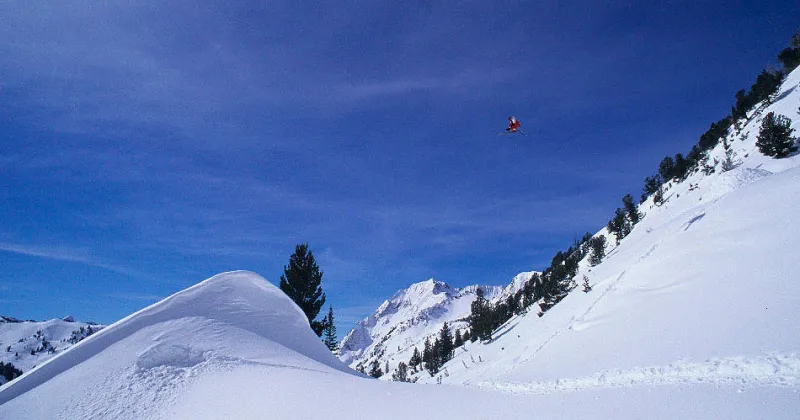
Photo: skier cross-training summer workout mountains fitness, via i.pinimg.com
Let's be honest — the moment the lifts stop spinning, something inside every serious skier goes a little quiet. The gear gets stacked in the corner of the garage, the boot bag gets shoved under the bed, and suddenly you're staring down five or six months of asphalt and sunshine wondering what to do with yourself.
But here's the thing: the skiers who show up on opening day already dialed in? They didn't luck into that. They used the off-season intentionally. And if you're riding Dynastar equipment, you already know you take your skiing seriously — so why let summer be dead time?
This is your off-season playbook.
Build the Engine Before the Snow Falls
Skiing is a full-body sport, but it punishes weak legs and a soft core faster than almost anything else on the mountain. If you're not doing some form of targeted training between May and October, you're leaving performance on the table.
The good news is you don't need a fancy gym membership or a coach. Here's what actually moves the needle:
Single-leg squats and Bulgarian split squats are the closest gym equivalent to the biomechanics of carving a turn. They build the quad and glute strength that keeps you stable on edge, especially on longer runs. Aim for three sets of eight to twelve reps per leg, two to three times a week.
Lateral plyometrics — think skater hops, lateral box jumps, or even simple side shuffles with a resistance band — train the explosive lateral movement that aggressive skiing demands. These also help with ankle stability, which matters a lot when you're pushing a stiff boot through a hard-snow GS arc.
Core work isn't optional. Planks, Pallof presses, and rotational medicine ball throws build the trunk stability that keeps your upper body quiet while your lower body does the work. A calm upper body is the hallmark of a technically clean skier.
And don't overlook balance training. A BOSU ball, a wobble board, or even just single-leg standing exercises train the proprioception that helps you read terrain instinctively rather than reactively.
Ski-Specific Cross-Training That Actually Works
Beyond the gym, there are a handful of summer activities that carry over to skiing more directly than most people realize.
Mountain biking is arguably the best off-season skiing substitute available. Reading terrain at speed, shifting your weight dynamically, committing to a line — it's all there. If you live near trails, make this a regular part of your summer. Your Dynastar skis will thank you come December.
Inline skating and roller skiing are the old-school Nordic skier's secret weapon, but they're just as valuable for alpine skiers. The lateral push and hip engagement directly mirror ski movements, and roller skiing in particular builds incredible edge-pressure awareness.
Yoga and mobility work might not sound exciting, but hip flexibility and ankle mobility are chronically underrated in the ski world. Tight hips limit your ability to drive into a turn cleanly. Even two thirty-minute yoga sessions per week can make a measurable difference by the time the season rolls around.
If you're serious and have the budget, ski simulators are worth looking into. Companies like Skiers Edge and various dry-slope facilities around the country offer realistic lateral movement training that's genuinely useful. Some indoor ski hills — Ski Dubai-style facilities are popping up in the US market — also offer summer sessions. It's not cheap, but it keeps your muscle memory alive.
Give Your Dynastar Quiver the Attention It Deserves
Off-season is the best time to deal with your equipment — not because it's urgent, but because you have the time to do it right without the pressure of a trip looming.
Start with a full base inspection. Pull your skis out and look at the bases under good light. Core shots, deep gouges, and edge rust should all be addressed before storage or before next season. A good local shop can handle base repairs and a hot wax storage tune, which protects the base material over the summer months.
Edge work matters too. If your edges took a beating on late-season ice or rock, now's the time to get them properly beveled and sharpened rather than scrambling in November. Most shops are less busy in summer and will give your gear more attention.
Boot liners are often overlooked. Heat-moldable liners can compress and lose their custom fit over time. Summer is the perfect moment to have your boots reassessed by a boot fitter. If you've been riding the same setup for three or more seasons, a fresh mold or a liner replacement can genuinely transform your skiing.
Storage basics: Keep your skis horizontal or hang them tip-up in a cool, dry space away from direct sunlight. UV exposure can degrade topsheet graphics and, over time, affect the epoxy in composite constructions. Bindings should be released to reduce spring tension. And always store boots with the buckles loosely fastened to preserve the shell shape.
Mental Edge: Staying Connected to the Sport
Physical prep is only half the equation. The mental side of skiing — visualization, tactical thinking, course reading — also benefits from off-season attention.
Watch racing footage. Seriously. Whether it's World Cup GS runs on YouTube or helmet-cam powder lines from last February, watching high-level skiing keeps your brain calibrated to what good technique looks like. When you finally clip in on opening day, your body has a reference point.
Engage with the community too. Forums, local ski clubs, and yes — sites like this one — keep the stoke alive and often surface useful gear intel before the season starts. Knowing what's new in the Dynastar lineup, what fellow enthusiasts are riding, and what conditions are looking like in your target mountains is part of being a prepared skier.
The Off-Season Is Part of the Season
The skiers who treat summer as dead time show up in December rusty, stiff, and spending the first two weeks just getting their legs back. The ones who stay intentional show up ready to rip from the first chair.
Your Dynastar gear is built to perform at a high level. Make sure the person riding it is equally prepared. The mountain doesn't care what month it is — and neither should your training.