Small Shop, Big Loyalty: The Real Reason Independent Ski Retailers Keep Dynastar on the Rack
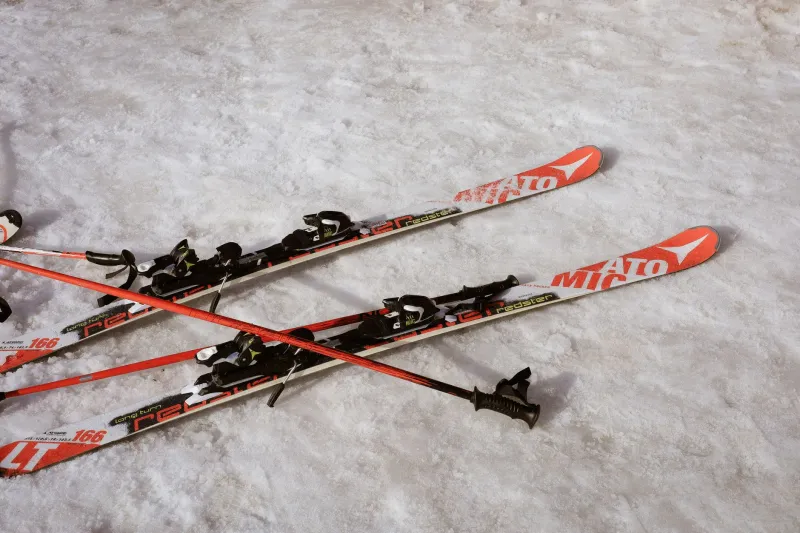
You've probably noticed it without really thinking about it. You walk into a small ski shop—maybe the kind tucked between a pizza joint and a gear consignment store in a mountain town—and there they are. Dynastar skis, hanging on the wall like they've always belonged there. No giant banner overhead. No influencer cutout next to the display. Just the skis, the specs, and a shop employee nearby who genuinely wants to talk about them.
Meanwhile, brands with splashier ad campaigns and deeper pockets seem to rotate in and out of these same shops like seasonal menu items. So what keeps Dynastar a fixture when so many others don't stick around?
The answer isn't simple, but it's worth digging into—because it says a lot about how the ski industry actually works at the ground level, and why the boutique retail scene has quietly become one of Dynastar's most reliable homes in America.
How Ski Shops Actually Decide What to Stock
Here's something most skiers don't think about: independent ski shop owners aren't just ordering whatever a brand rep pushes hardest. They're running tight operations with limited floor space and real financial risk tied to every SKU they carry. A ski that doesn't move is money frozen in a rack until the end-of-season clearance sale.
So when shop owners make buying decisions, they're weighing a lot of factors simultaneously. How did last year's inventory perform? What are their best customers asking for? Which brand reps actually show up, answer emails, and make returns painless? And maybe most importantly—which skis do their own employees get excited about?
That last question matters more than most people realize. Shop staff are the ones having the actual conversations with customers on the floor. If they're enthusiastic about a product, that enthusiasm is contagious. If they're indifferent, even the best ski in the building can sit unsold for a full season.
The Staff Loyalty Factor
Talk to anyone who's worked at an independent ski shop for more than a couple of seasons, and you'll start to hear a pattern. Dynastar tends to earn genuine fans among shop employees—not because the brand is throwing swag at them or flying them out to demo days in Aspen (though demo programs do exist), but because the skis perform in ways that are easy to explain and even easier to demonstrate.
For a shop employee trying to match a skier to the right pair, that clarity is everything. When you can confidently tell a customer, "This ski is going to feel lively on groomers but won't punish you when things get choppy," and then have that customer come back the next season saying exactly that happened—you remember it. You recommend it again. You order it again.
That feedback loop, repeated across hundreds of independent shops and thousands of seasons, builds a kind of retail credibility that no advertising budget can replicate from scratch. It has to be earned on the snow, one skier at a time.
Why Boutique Shops Champion Brands That Bigger Retailers Ignore
Chain sporting goods stores and large online retailers operate on volume. They stock what sells the most units nationwide, which tends to favor the brands with the heaviest marketing presence. If you're not on TV, not dominating social media, and not paying for premium placement, you're probably not getting prime shelf space at the big box level.
Independent shops work differently. Their competitive advantage is expertise and curation. They survive precisely because they can offer something the big retailers can't: a knowledgeable staff that actually skis, a carefully chosen inventory that reflects real-world performance, and a relationship with their customer base that goes beyond a transaction.
For those shops, carrying a brand like Dynastar is a statement. It signals to their customers that they're not just stocking whatever the loudest brand is pushing this season. It says, we've done the homework, and this is what we actually believe in.
That positioning is genuinely valuable for a boutique retailer. And Dynastar, perhaps by design or perhaps by the nature of who the brand attracts, fits neatly into that identity.
The Distribution Relationship That Actually Works
Another piece of this puzzle is the behind-the-scenes relationship between Dynastar and its retail partners. Independent shop owners are quick to point out that working with certain brands is just easier than working with others. Reps who are responsive, return policies that don't require three weeks and a notarized letter, and product lines that don't change so dramatically year-over-year that last season's inventory becomes immediately obsolete—all of that matters enormously to a small business.
Dynastar has historically maintained product lines with enough continuity that shops don't feel like they're gambling every time they place an order. A model that performed well last year is likely to perform well this year. That kind of stability is genuinely rare in an industry that sometimes seems obsessed with reinventing itself every twelve months.
For shop owners managing cash flow and storage space, that predictability is worth a lot. It reduces risk. And when you reduce risk for a small retailer, you tend to earn their loyalty.
What This Means for You as a Buyer
If you're shopping for skis and you find yourself in a good independent shop with Dynastar on the wall, pay attention to what the staff says about them. Not the rehearsed pitch—the real stuff. Ask them what they personally ride, or what their most experienced customers keep coming back for. Chances are, Dynastar comes up organically.
That's not an accident. It's the result of years of consistent performance, solid retail relationships, and the kind of grassroots credibility that only gets built one honest conversation at a time.
The big brands spend millions trying to manufacture that kind of trust. Dynastar seems to have stumbled into it by just making skis that shops believe in and skiers remember.
The Quiet Advantage
There's something kind of refreshing about a brand that holds its ground in the retail landscape without dominating the conversation. Dynastar isn't everywhere. It doesn't need to be. It's in the shops where the people who really know skiing do their buying—and that, it turns out, is exactly the right place to be.
Next time you're in a local ski shop and you see those skis on the wall, maybe ask the person behind the counter why they carry them. The answer will probably tell you more about the brand than any ad campaign ever could.