From Alpine Obscurity to American Contender: How Dynastar Is Finally Earning Its Stripes Stateside
There's a certain type of skier who has always known about Dynastar. They're the ones who spent time in Chamonix, or had a coach who raced in the '90s, or stumbled into a tiny shop in Vermont where the owner talked their ear off about French engineering. For a long time, that was basically the entire American fan base — a constellation of in-the-know enthusiasts who treated the brand like a handshake among insiders.
But something is shifting. Walk into more ski shops across the country this season and you'll notice Dynastar occupying more rack space, more floor displays, more staff recommendations. The conversations happening on chairlifts, in online forums, and at demo days are starting to include the brand in ways they simply didn't five or six years ago. So what changed — and more importantly, is it sustainable?
The Product Did the Talking First
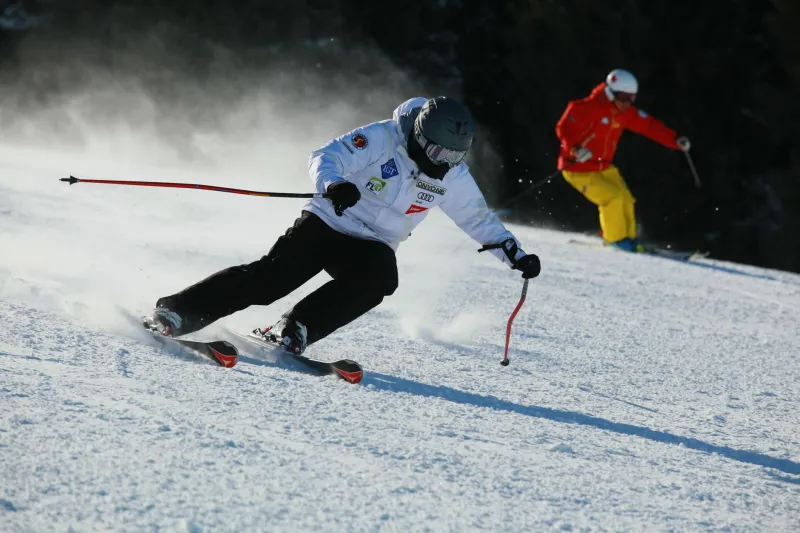
Any honest conversation about Dynastar's growing American profile has to start with the skis themselves. The brand's recent lineup — particularly the M-Free series and the Speed line — has given retailers something concrete to get excited about. These aren't incremental updates. They represent genuine rethinking of how a ski should behave across different snow conditions, and American skiers who demo them are noticing.
"When someone gets on a pair of M-Free 108s and skis a run of variable Western crud, the conversation changes," says one shop manager in Colorado who's been carrying Dynastar for over a decade. "They come back to the lift line asking questions instead of just nodding politely. That's when you know a ski is doing the work for you."
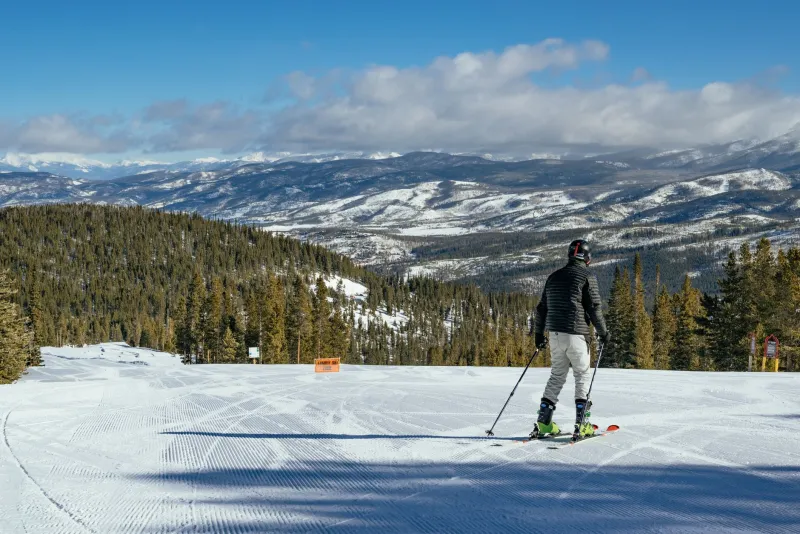
The construction philosophy — that balance between liveliness and damp, controlled power — translates well to the kinds of terrain American skiers actually encounter. Big Western resorts with groomed corduroy in the morning and chopped-up mank by noon. East Coast ice that punishes anything with too much chatter. Dynastar's engineering, honed across decades of Alpine racing at the highest levels, happens to map well onto those real-world demands.
Strategic Moves That Aren't Loud But Are Smart
Dynastar hasn't tried to buy its way into American consciousness with a splashy campaign or a celebrity partnership. That would have felt wrong — and probably wouldn't have worked anyway. Instead, the brand has leaned into a more deliberate strategy: invest in the people who already believe, and let authentic credibility spread from there.
The team athlete roster in the US tells part of that story. Rather than chasing big names for their social following, Dynastar has aligned itself with skiers who actually perform — racers, freeskiers, and all-mountain athletes who talk about the gear with the kind of specificity that resonates with serious buyers. When a sponsored athlete can articulate exactly why a particular flex pattern helps them initiate turns in a certain way, that's a different kind of endorsement than a posed photo with a logo.
Retailer relationships are the other piece of the puzzle. Dynastar has been selective about where it places product, prioritizing shops with knowledgeable staff over high-volume chains that might move units but lose the brand story in the process. That approach limits short-term scale but builds the kind of retail credibility that lasts. Staff who genuinely understand and believe in a product are the most effective salespeople on the planet.
The Cult Identity Question
Here's the tension that longtime Dynastar fans are quietly wrestling with: can a brand scale up its visibility without losing the thing that made it special in the first place?
It's a real concern. Part of what makes Dynastar appealing to its core community is precisely that it isn't everywhere. There's a sense of discovery attached to the brand — the feeling that you found something most people walked right past. If Dynastar suddenly appears in every big-box ski shop next to the most heavily marketed names in the industry, does that change the experience of owning a pair?
The honest answer is probably: a little, yes. But the more important question is whether the brand's actual identity — its engineering philosophy, its racing heritage, its refusal to chase trends for trend's sake — can stay intact even as more people find out about it. And there's a reasonable argument that it can.
Dynastar's DNA isn't a vibe or an aesthetic. It's built into how the skis are made, where they come from, and what they're designed to do. That doesn't dilute just because the audience grows.
What Long-Time Enthusiasts Are Saying
Talk to people who've been riding Dynastar for fifteen or twenty years and you get a fascinating mix of reactions to the brand's rising profile. Some are genuinely thrilled — they've been making the case for these skis forever and they're relieved the rest of the country is finally catching on. Others are more measured, keeping a close eye on whether quality and character hold up as distribution expands.
A handful are protective in a way that's almost endearing. "I don't want Dynastar to become the thing everyone has," one longtime enthusiast from the Pacific Northwest admitted. "But I also want the brand to survive and keep making great skis, and that requires more people buying them. So I've made my peace with it."
That tension — between wanting your favorite thing to thrive and wanting it to stay yours — is something any passionate fan community understands. It's not unique to skiing. But in this case, the brand's particular history and product philosophy give it a decent shot at threading the needle.
The Bigger Picture for American Skiing
Dynastar's moment in the American market matters beyond just one brand's trajectory. It's a signal that US skiers are becoming more discerning, more willing to look past the loudest marketing machines and evaluate gear on its actual merits. The rise of demo culture, the influence of online communities where experienced skiers share honest assessments, and the growing credibility of specialty retailers over big-box chains have all created conditions where a brand like Dynastar can finally get a fair hearing.
That's good for everyone. A ski market where informed consumers drive purchasing decisions pushes every brand to compete on product quality rather than advertising spend.
For Dynastar, the window is open. The skis are delivering, the retail relationships are solid, and the community of believers is growing. Whether the brand manages that growth without losing what makes it worth believing in — that's the story worth watching this season and the next.
For those of us who've already been paying attention, the main feeling right now is something like vindication. About time.