The Unsung Names Behind the Brand: Meet the Dynastar Insiders Quietly Shaping American Skiing
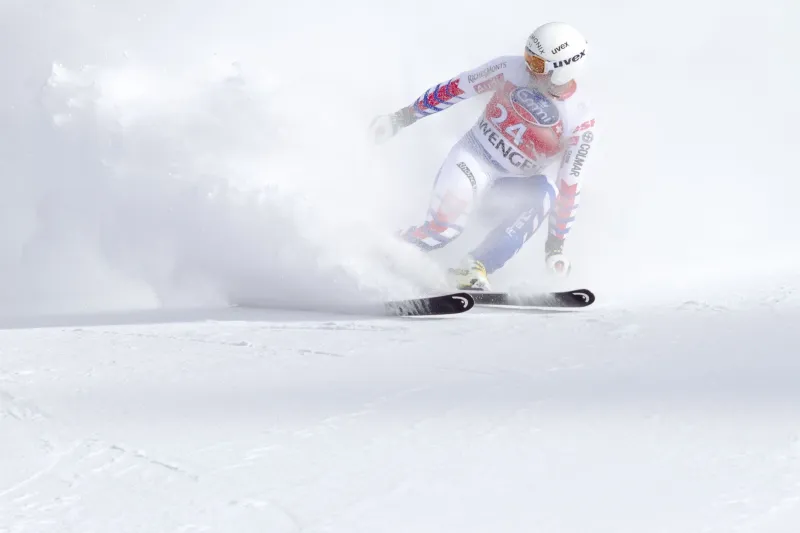
The ski industry loves its stars. The athlete with the Olympic medal, the freeskier with the viral line, the influencer who posts from a helicopter — these are the faces that move product and generate headlines. Dynastar has had its share of marquee names over the decades, and they've earned every bit of that visibility.
But spend enough time in the ski community and you start to notice a different kind of influence operating at ground level. It's quieter, slower, and arguably more durable. It lives in race programs at mid-size resorts in the Rockies and the Northeast, in the opinions of coaches who've been running gates since before most of their athletes were born, in the feedback loops between mountain professionals and product teams that never make it into a press release.
These are the people who actually shape what Dynastar means in America. And most of them you've never heard of.
The Race Coach Who Became a Product Whisperer
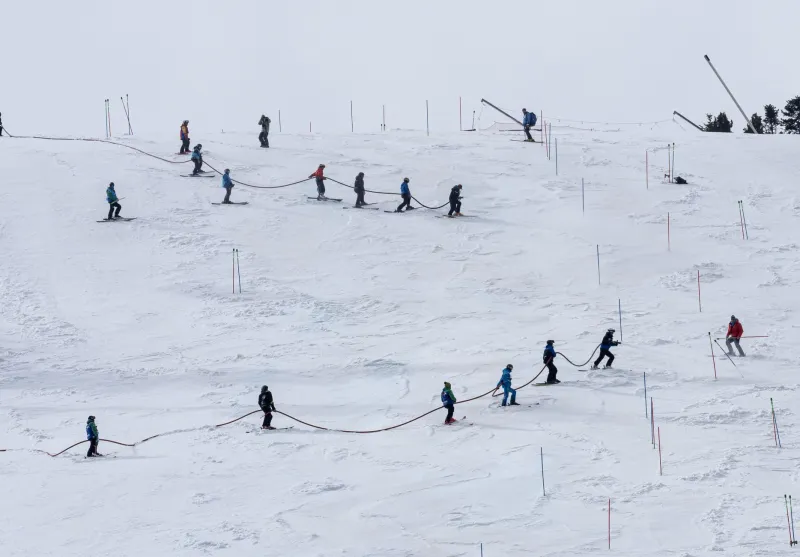
In a small mountain town in central Colorado, a former collegiate racer has spent the last twelve years running a youth alpine program out of a resort that most casual skiers couldn't find on a map. He's coached more than two hundred junior racers through his program, and a significant portion of them have come up on Dynastar race equipment.
His relationship with the brand started practically. "They were competitive on price for a junior program, and the gear held up," he said. "But what kept me coming back was that the skis actually taught the kids something. A kid who's skiing a Speed GS course on a Dynastar has to be in the right place. The ski won't lie to them."
Over time, that relationship deepened. He started providing informal feedback to regional reps — notes on how specific models performed across different snow conditions, what adjustments his athletes were making, where the gear was working and where it wasn't. Nothing formal, no contract, no title. Just a coach who knew the product well enough to have useful things to say.
"I've never been to a product summit or whatever they call those things," he laughed. "But I've definitely told a rep that a certain flex pattern wasn't working for lighter junior athletes, and I've seen that kind of feedback reflected in later models. Whether that's coincidence or not, I can't say. But the conversation goes both directions."
The Patroller Who Preaches the Gospel of the Carve
At a Vermont resort with a loyal regional following, a veteran ski patroller has become something of an informal ambassador for the brand — not through any official arrangement, but through sheer consistency. He's skied Dynastars for over fifteen years, works with the public every day, and has strong opinions about why the brand suits the Northeast's demanding, variable conditions better than most Americans realize.
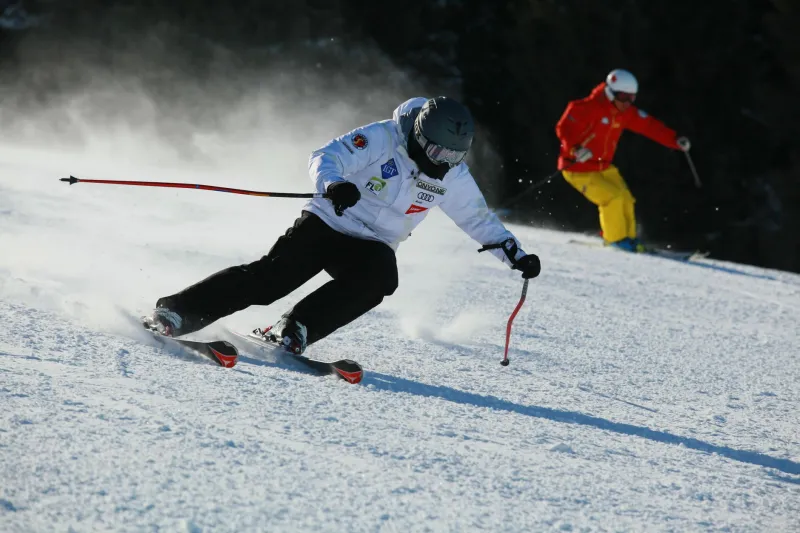
"People think of Dynastar as a European race brand," he said, adjusting his pack at the top of a groomer. "And yeah, that's part of it. But the way they build their carving skis — that edge hold in hard, icy conditions — that's exactly what you need here. We don't get the deep powder of Utah. We get refrozen groomer and wind crust and surprise ice. Dynastar handles that honestly."
His influence isn't through content or endorsements. It's through the daily interactions that define ski culture at a local mountain: the conversation at the base area, the recommendation to a guest who asks what he's riding, the opinion shared with a newer patroller who's shopping for their first personal pair. Multiply that by fifteen years and thousands of interactions, and the impact is real — even if it's impossible to quantify.
"I don't get anything from Dynastar," he was quick to clarify. "I'm just a guy who found a ski that works for where I live and how I ski. But I talk about it when people ask, because I think it's genuinely the right answer for a lot of Northeast skiers who don't know it's an option."
The Ski School Director Building the Next Generation
At a resort in the Pacific Northwest, a ski school director with a background in competitive moguls has quietly built a curriculum that leans on Dynastar's performance-oriented models as teaching tools for intermediate-to-advanced progression. She came to the brand sideways — a colleague's recommendation, a demo day, a revelation about how her students responded to a more demanding ski.
"I started noticing that students who demoed the Dynastar Legend series were coming back from runs with different questions," she explained. "Not 'how do I not fall' questions — actual technical questions. 'Why did the ski do that at the bottom of the turn?' That's the ski talking to them. That's feedback they weren't getting before."
She's since incorporated specific Dynastar models into her school's advanced development track, not as a brand partnership but as a pedagogical choice. She advocates for the brand in industry circles, presents at regional ski school conferences, and has influenced several other program directors to look more closely at the brand's role in skill development.
Her philosophy is straightforward: "The best teaching tool is a ski that tells the truth. Dynastar builds honest skis. For teaching, that's worth more than any amount of marketing."
Why Grassroots Influence Outlasts Celebrity Endorsements
There's a reason these stories matter beyond their individual details. Celebrity endorsements move units in a single season. Grassroots influence builds brand equity across generations.
When a junior racer grows up on Dynastar equipment under a coach who believes in it, that athlete carries a relationship with the brand into adulthood. When a patroller recommends a ski to a thousand guests over fifteen years, that's a thousand conversations that no Instagram post replaces. When a ski school director builds her curriculum around a brand's product philosophy, she's shaping how the next wave of serious American skiers thinks about equipment.
Dynastar has always benefited from this kind of influence, probably more than the brand itself fully recognizes. The athletes on the World Cup circuit are the face. But the coaches, patrollers, and mountain professionals scattered across resorts from Stowe to Snowbird to Mount Hood — they're the foundation.
They're not famous. They probably don't want to be. But they're why Dynastar means something in America beyond a French logo on a race ski. They're the reason the brand earns loyalty instead of just buying it.
And on the mountain, that's the kind of reputation that actually lasts.